Introduction
Travel is much more than visiting famous landmarks or relaxing on a beach. It offers an opportunity to connect with the stories, customs, and traditions that have shaped civilizations over centuries. Cultural Heritage Tours allow travelers to experience the true identity of a destination by exploring its historical monuments, traditional villages, museums, local festivals, and architectural wonders. Instead of simply seeing a place, visitors gain a deeper understanding of its people, beliefs, and way of life.
Today, many travelers seek meaningful experiences that go beyond sightseeing. They want to learn about ancient cultures, taste authentic cuisine, interact with local communities, and appreciate historical preservation efforts. Cultural Heritage Tours provide exactly that by combining education, entertainment, and cultural appreciation. Whether exploring centuries-old temples, medieval castles, colorful markets, or indigenous communities, these journeys create unforgettable memories while supporting cultural preservation. This travel style encourages responsible tourism and helps keep local traditions alive for future generations.
What Are Cultural Heritage Tours?
Cultural Heritage Tours are specialized travel experiences focused on exploring the historical, artistic, architectural, and cultural legacy of different regions. These tours introduce travelers to places that represent the identity and history of a community or nation. Heritage attractions may include archaeological sites, ancient monuments, historical buildings, museums, traditional villages, sacred places, and cultural festivals.
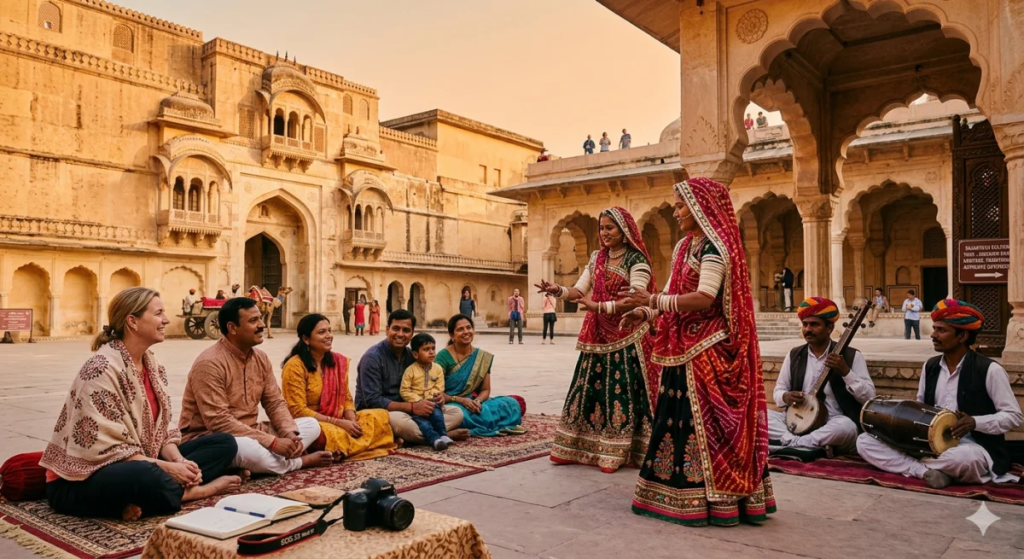
Unlike ordinary vacations, these tours emphasize learning and authentic experiences. Professional guides often explain the significance of historical landmarks, cultural customs, and local traditions, making each destination more meaningful. Travelers may also participate in traditional cooking classes, craft workshops, folk performances, or religious ceremonies depending on the destination.
These tours are suitable for individuals, families, students, photographers, and history enthusiasts alike. They encourage curiosity and respect for diverse cultures while helping visitors appreciate the achievements and lifestyles of past civilizations.
Why Cultural Heritage Matters in Travel
Every destination has a unique cultural identity built through centuries of history, traditions, language, architecture, and artistic expression. Preserving this heritage is essential because it tells the story of human civilization and connects present generations with the past. Tourism centered on cultural heritage helps protect important monuments and provides financial support for restoration projects.
Travelers who choose Cultural Heritage Tours often leave with greater knowledge and appreciation for different societies. Visiting historical sites allows people to understand how communities evolved through changing political, religious, and economic influences. Learning directly from local residents creates authentic connections that cannot be found through books or online resources.
Responsible heritage tourism also benefits local economies. Small businesses, artisans, traditional performers, and local guides earn income while continuing practices that have been passed down through generations. This creates a sustainable relationship between tourism and cultural preservation.
Famous Cultural Heritage Destinations Around the World
Many countries proudly preserve remarkable heritage sites that attract millions of visitors every year. Ancient cities, religious monuments, royal palaces, castles, and archaeological ruins reveal the fascinating stories of past civilizations. Europe offers magnificent medieval architecture, Asia showcases centuries-old temples and palaces, while Africa and South America feature impressive archaeological treasures.
Historic neighborhoods, traditional villages, and cultural landscapes provide equally valuable experiences. Visitors can explore local markets, observe traditional craftsmanship, and learn about indigenous customs that continue to thrive today. Museums display priceless collections of artwork, historical artifacts, manuscripts, and cultural objects that help explain the evolution of societies.
Each destination reflects unique traditions influenced by geography, religion, trade, and historical events. Experiencing these places firsthand creates a much deeper understanding than simply reading about them, making every journey educational and inspiring.
Experiences You Can Enjoy During Heritage Travel
One of the greatest attractions of heritage travel is the opportunity to participate in authentic cultural experiences. Visitors can attend colorful festivals celebrating music, dance, religion, or seasonal traditions. These events often include traditional costumes, local cuisine, handcrafted decorations, and centuries-old rituals that showcase community identity.
Cooking classes allow travelers to prepare regional dishes using traditional ingredients and techniques passed through generations. Craft workshops introduce visitors to pottery, weaving, painting, wood carving, embroidery, and other artistic skills unique to each region. Guided walking tours through historical districts reveal hidden stories behind ancient buildings, monuments, and streets.
Many travelers also enjoy visiting local homes, farms, or villages where residents share their customs, folklore, and everyday lifestyles. These interactions create genuine cultural exchanges that enrich the travel experience and foster mutual understanding between visitors and host communities.
Benefits of Choosing Cultural Heritage Tours
One major advantage of Cultural Heritage Tours is the educational value they provide. Travelers gain historical knowledge while experiencing cultural diversity firsthand. Understanding different civilizations encourages respect, tolerance, and appreciation for global traditions.
These tours also promote responsible tourism by supporting heritage conservation projects and local businesses. Purchasing handmade crafts, hiring local guides, and staying in family-operated accommodations contribute directly to community development.
Another important benefit is personal enrichment. Learning about ancient civilizations, traditional lifestyles, and artistic achievements broadens perspectives and inspires lifelong curiosity. Heritage travel often creates stronger emotional connections because visitors understand the stories behind every monument, artwork, and historical site they encounter.
Families also find these tours valuable because children learn history through real-world experiences rather than classroom lessons. Educational travel often becomes one of the most memorable parts of family vacations.
Planning the Perfect Heritage Journey
Careful planning helps maximize the value of a heritage-focused trip. Research destinations before traveling to understand their history, customs, climate, and important attractions. Creating a balanced itinerary allows enough time to explore museums, monuments, cultural districts, and nearby communities without feeling rushed.
Respecting local customs is equally important. Dress appropriately when visiting religious sites, ask permission before photographing people, and follow cultural etiquette recommended by local guides. Learning a few basic phrases in the local language demonstrates respect and often creates friendlier interactions with residents.
Travelers should also choose responsible tour operators that support conservation efforts and local communities. Sustainable travel practices, including reducing waste and respecting historical sites, help preserve valuable heritage for future generations while enhancing the overall travel experience.
The Role of Technology in Heritage Tourism
Modern technology has transformed the way travelers explore historical destinations. Interactive museum displays, digital guides, virtual reconstructions, and mobile applications provide detailed historical information that enhances visitor understanding. Audio guides are available in multiple languages, making heritage sites accessible to international travelers.
Virtual reality experiences allow visitors to visualize ancient cities as they appeared centuries ago, while augmented reality applications overlay historical reconstructions onto existing ruins. Digital ticketing systems simplify access to museums and monuments, reducing waiting times and improving visitor convenience.
Social media has also increased awareness of cultural destinations by inspiring travelers to discover lesser-known historical sites. However, technology should complement rather than replace genuine cultural interactions. Speaking with local residents and experienced guides remains one of the most rewarding aspects of heritage tourism.
Supporting Local Communities Through Heritage Tourism
Sustainable tourism plays a significant role in preserving both cultural traditions and local livelihoods. When visitors purchase handcrafted souvenirs, dine at family-owned restaurants, or hire local guides, they directly contribute to the local economy. This financial support encourages communities to continue preserving traditional skills, architecture, music, and cultural celebrations.
Many heritage destinations have launched community-based tourism programs where residents actively participate in welcoming visitors. These initiatives provide employment opportunities while maintaining cultural authenticity. Travelers benefit from genuine experiences that reflect everyday life rather than commercialized attractions.
Supporting local businesses also reduces the economic leakage often associated with mass tourism. Communities become more motivated to protect historical landmarks and cultural traditions because they recognize their value as important tourism assets for future generations.
Conclusion
Cultural Heritage Tours offer far more than traditional vacations. They provide meaningful opportunities to explore history, appreciate diverse traditions, and connect with local communities through authentic experiences. From ancient monuments and historic cities to traditional villages and cultural festivals, every destination tells a unique story that enriches our understanding of the world.
By choosing responsible travel practices, visitors contribute to preserving historical landmarks and supporting local communities. These journeys inspire respect for cultural diversity while creating unforgettable memories filled with learning and discovery. Whether traveling across continents or exploring nearby historical destinations, heritage tourism reminds us that every culture has valuable stories worth protecting and sharing. As more people embrace meaningful travel experiences, Cultural Heritage Tours will continue to play an important role in preserving humanity’s rich cultural legacy for generations to come.
Leave a Reply