Introduction
Traveling alone is one of the most rewarding ways to explore the world. It allows you to experience new cultures, discover hidden places, and build confidence while creating unforgettable memories. Choosing the right Solo Backpacking Destinations is the first step toward a successful journey. Whether you dream of hiking through breathtaking mountains, relaxing on peaceful beaches, or exploring vibrant cities, solo backpacking offers complete freedom to travel at your own pace.
Many travelers prefer solo adventures because they encourage independence and personal growth. You can create your own itinerary, meet people from different backgrounds, and enjoy experiences without compromising on your interests. The key to an enjoyable trip is selecting destinations that are safe, affordable, and easy to navigate. This guide explores everything you need to know about planning your next backpacking adventure, including destination ideas, budgeting, packing essentials, safety measures, and practical travel tips. With careful preparation, your solo journey can become one of the most meaningful experiences of your life.
Why Solo Backpacking Is Becoming More Popular
Solo travel has gained tremendous popularity over the past decade because it offers flexibility and personal freedom. Unlike group tours, backpacking alone allows travelers to change plans whenever they discover an exciting opportunity. Whether extending a stay in a charming village or taking an unexpected hiking trail, every decision is entirely yours.
Another reason many people choose Solo Backpacking Destinations is the opportunity for self-discovery. Traveling independently teaches valuable life skills such as budgeting, problem-solving, communication, and adaptability. Every challenge encountered along the journey helps build confidence and resilience.
Modern technology has also made solo travel easier than ever. Navigation apps, online booking platforms, language translation tools, and digital payment systems reduce many common travel difficulties. Backpacker hostels and community events also provide opportunities to meet fellow travelers without sacrificing independence. As more countries improve tourism infrastructure, solo backpacking continues to attract travelers seeking authentic experiences rather than traditional vacations.
Choosing the Right Destination
Selecting the perfect destination requires considering several important factors. Safety should always be the highest priority, especially for first-time solo travelers. Countries with reliable transportation, welcoming locals, and well-developed tourism services often provide the best experiences.
Budget is another major consideration. Backpackers usually seek affordable accommodations, inexpensive local transportation, and reasonably priced food. Destinations where daily expenses remain low allow travelers to extend their adventures without exceeding their budgets.
Climate also influences travel enjoyment. Research seasonal weather before planning your trip to avoid heavy rains, extreme temperatures, or peak tourist crowds. Language barriers may also affect your experience, although translation apps can help bridge communication gaps.
Accessibility is equally important. Destinations with efficient buses, trains, and domestic flights make traveling between attractions much easier. By balancing safety, affordability, weather, and transportation, travelers can confidently choose among the many exciting Solo Backpacking Destinations available around the world.
Best Mountain Adventures for Solo Backpackers
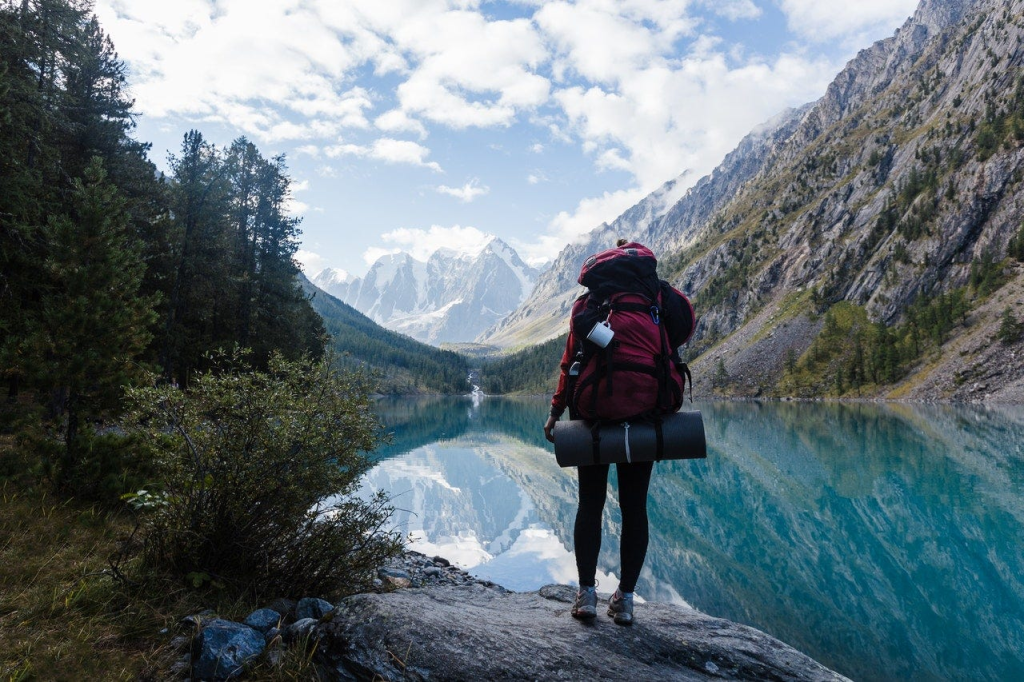
Mountain destinations provide peaceful landscapes, fresh air, and rewarding hiking opportunities. Backpackers seeking adventure often prefer regions with well-marked trails, affordable mountain lodges, and welcoming local communities.
Hiking through mountain villages allows travelers to experience authentic cultures while enjoying breathtaking scenery. Sunrise viewpoints, alpine lakes, waterfalls, and forest trails create unforgettable memories that few traditional vacations can match. Many mountain regions also offer opportunities for camping, wildlife observation, and photography.
Traveling through mountains encourages slow exploration rather than rushed sightseeing. Spending extra time in small villages often leads to meaningful conversations with local residents and other travelers. Careful preparation remains essential, including weather monitoring, proper hiking equipment, and sufficient water supplies. For those seeking peaceful surroundings and outdoor adventures, mountain regions remain among the finest Solo Backpacking Destinations available today.
Exploring Vibrant Cities Alone
Cities provide an exciting contrast to natural landscapes. Solo travelers can spend their days exploring museums, local markets, historic neighborhoods, street food stalls, art galleries, and cultural festivals without following anyone else’s schedule.
Public transportation systems make urban exploration simple and affordable. Walking tours help visitors learn local history while introducing hidden attractions often missed by ordinary tourists. Cafés and co-working spaces also create opportunities to meet fellow travelers or local residents.
Safety remains important in busy cities. Keeping valuables secure, avoiding isolated areas after dark, and staying aware of surroundings greatly reduce travel risks. Many modern cities are extremely welcoming to backpackers, offering hostels, affordable public transport, and numerous free attractions. Urban adventures provide an excellent balance between cultural experiences, entertainment, and convenience for independent travelers exploring Solo Backpacking Destinations.
Coastal Escapes for Relaxation and Adventure
Beach destinations offer an entirely different backpacking experience. Coastal towns combine natural beauty with opportunities for swimming, snorkeling, kayaking, surfing, and island exploration. Many backpackers enjoy relaxing on quiet beaches after weeks of traveling through cities or mountains.
Small fishing villages often provide authentic cultural experiences alongside delicious local seafood. Watching sunsets, joining boat tours, and exploring coastal walking trails create memorable travel moments. Beaches also encourage social interaction, making it easy to meet other travelers during shared activities.
Budget-friendly guesthouses and hostels are common in many coastal regions, helping travelers manage expenses while enjoying scenic surroundings. Whether seeking adventure or relaxation, beach destinations remain an excellent option for solo travelers wanting both excitement and tranquility during their backpacking journey.
Budget Planning for Solo Backpacking
Managing expenses carefully allows travelers to enjoy longer adventures without financial stress. Before departure, estimate daily costs for accommodation, meals, transportation, entrance fees, and emergency expenses. Creating a realistic travel budget prevents overspending and helps prioritize meaningful experiences.
Hostels are often the most affordable accommodation choice while also providing opportunities to meet fellow travelers. Preparing occasional meals instead of dining out for every meal significantly reduces costs. Public transportation usually offers better value than taxis or private transfers.
Travel insurance should never be overlooked, as unexpected medical emergencies or trip disruptions can become extremely expensive. Keeping emergency funds separate from daily spending money provides additional financial security. Smart budgeting ensures Solo Backpacking Destinations remain accessible even for travelers with limited resources.
Essential Packing Tips
Packing efficiently improves comfort throughout the journey. Lightweight backpacks reduce physical strain while making transportation easier. Travelers should pack versatile clothing suitable for changing weather conditions rather than carrying excessive luggage.
Essential items include comfortable walking shoes, reusable water bottles, travel documents, power banks, universal charging adapters, first-aid kits, toiletries, and weather-appropriate clothing. Organizing belongings using packing cubes keeps luggage neat and simplifies access.
Security items such as luggage locks, money belts, and digital copies of important documents provide additional peace of mind. Limiting unnecessary belongings creates greater mobility and reduces travel fatigue. Every item should serve a practical purpose throughout the backpacking adventure.
Staying Safe During Solo Travel
Safety begins with proper preparation before departure. Researching local customs, transportation systems, emergency contacts, and cultural expectations helps travelers avoid unnecessary problems. Sharing travel itineraries with trusted family members provides additional security.
Avoid displaying expensive electronics or large amounts of cash in public. Staying aware of surroundings, especially at transportation hubs and crowded tourist attractions, minimizes theft risks. Choosing accommodations with positive reviews and secure facilities further improves safety.
Trusting personal instincts is equally important. If a situation feels uncomfortable, leaving immediately is usually the best decision. Responsible planning allows travelers to fully enjoy Solo Backpacking Destinations while minimizing potential risks during their adventures.
Making Friends While Traveling Alone
One common misconception is that solo travelers remain lonely throughout their journeys. In reality, traveling alone often leads to more social interactions because backpackers naturally meet people in hostels, cafés, guided tours, hiking groups, and cultural events.
Group excursions offer opportunities to explore attractions while forming friendships with travelers from around the world. Language exchanges, volunteer activities, cooking classes, and local festivals also encourage meaningful conversations with residents.
Maintaining a balance between social activities and personal reflection allows travelers to enjoy both companionship and independence. Many lifelong friendships begin during solo backpacking adventures, making the experience even more rewarding beyond sightseeing alone.
Cultural Respect and Responsible Travel
Responsible tourism benefits both travelers and local communities. Learning basic local greetings demonstrates respect and often creates positive interactions with residents. Dressing appropriately according to cultural expectations helps travelers avoid misunderstandings.
Supporting local businesses, family-owned restaurants, artisans, and guides contributes directly to community economies. Reducing plastic waste by carrying reusable bottles and shopping bags also helps protect natural environments.
Respecting wildlife, historical monuments, religious sites, and community traditions preserves destinations for future visitors. Sustainable travel practices ensure backpacking remains beneficial for both tourists and the places they explore. Responsible behavior transforms ordinary vacations into meaningful cultural exchanges.
Conclusion
Solo backpacking is far more than simply visiting new places. It is an opportunity to gain confidence, develop independence, and experience cultures from a unique perspective. Choosing suitable Solo Backpacking Destinations allows travelers to enjoy safe adventures while discovering breathtaking landscapes, vibrant cities, peaceful beaches, and welcoming communities.
Careful planning, smart budgeting, efficient packing, and responsible travel habits all contribute to a successful backpacking journey. Every destination offers valuable lessons, unforgettable memories, and opportunities for personal growth. Whether embarking on your first independent trip or planning another exciting adventure, solo backpacking continues to provide experiences that remain meaningful for a lifetime. By embracing curiosity, respecting local cultures, and staying prepared, every traveler can confidently explore the world one destination at a time.
Leave a Reply