Introduction
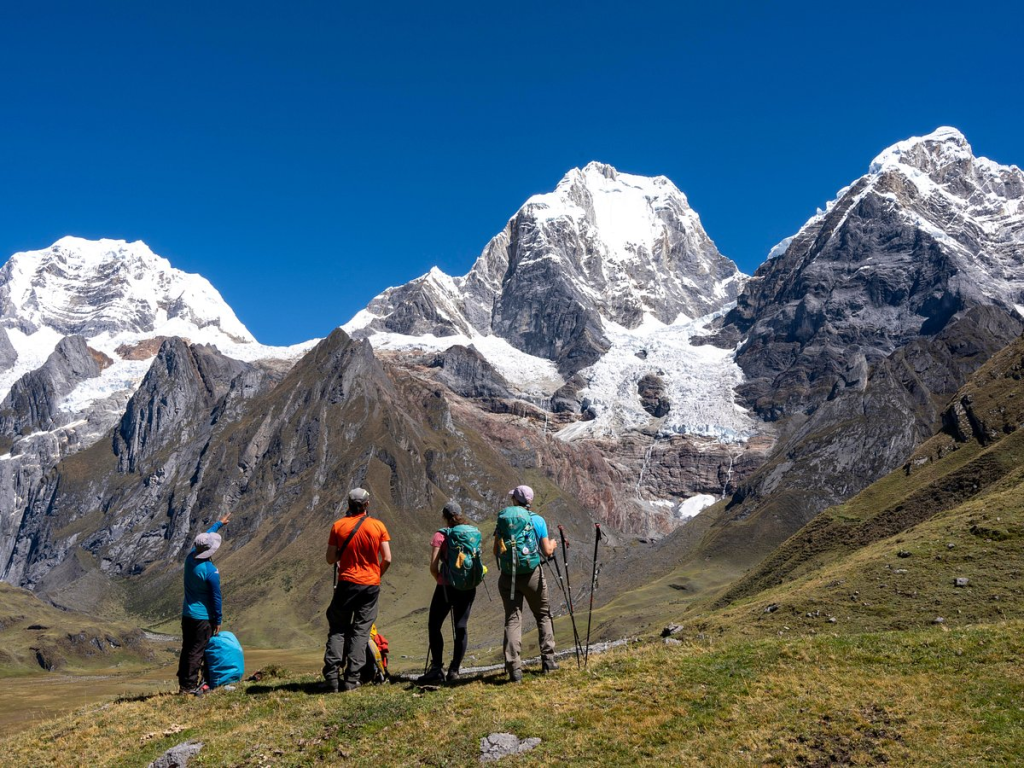
Mountain Trekking Expeditions offer an unforgettable opportunity to explore breathtaking landscapes, challenge your physical endurance, and experience nature in its purest form. Whether you are a beginner looking for your first hiking adventure or an experienced trekker aiming to conquer rugged mountain trails, every expedition provides valuable experiences that last a lifetime. From snow-capped peaks and alpine meadows to dense forests and crystal-clear rivers, mountain trekking allows travelers to disconnect from busy city life and reconnect with the natural world. Proper preparation, physical fitness, and the right equipment play an essential role in ensuring a successful journey. Choosing suitable trekking routes based on experience level also contributes to a safer and more enjoyable adventure. As outdoor tourism continues to grow worldwide, more travelers are embracing Mountain Trekking Expeditions to discover remote destinations, improve their health, and create unforgettable memories surrounded by spectacular scenery.
Why Mountain Trekking Is Becoming More Popular
The popularity of trekking has increased significantly over the past decade because people are seeking meaningful travel experiences rather than traditional vacations. Mountain landscapes provide an ideal escape from everyday stress while offering opportunities for personal growth and adventure. Trekking encourages individuals to explore remote valleys, towering peaks, waterfalls, and diverse ecosystems that cannot be reached by vehicles.
Mountain trekking is also considered one of the healthiest outdoor activities. Walking through varying elevations improves cardiovascular health, strengthens muscles, enhances endurance, and boosts mental well-being. Many trekkers describe reaching a mountain summit as an incredibly rewarding achievement after hours or even days of effort.
Modern travelers also appreciate sustainable tourism, and trekking supports environmentally responsible travel when practiced respectfully. Local communities often benefit through guided tours, accommodations, transportation, and traditional hospitality. Mountain Trekking Expeditions continue attracting nature lovers because they combine adventure, fitness, cultural exploration, and environmental appreciation into one remarkable experience.
Planning a Successful Mountain Trekking Expedition
Careful planning is the foundation of every successful trekking journey. Before selecting a destination, evaluate your physical fitness, trekking experience, available time, and seasonal weather conditions. Beginners should choose shorter trails with moderate elevations, while experienced hikers can explore longer routes involving higher altitudes and challenging terrain.
Researching trail conditions, permits, accommodation options, emergency services, and transportation ensures fewer unexpected problems during the trip. Studying topographic maps and weather forecasts helps trekkers prepare for changing conditions. It is also important to inform family members or friends about your travel itinerary before departing.
Physical preparation should begin several weeks before the expedition through walking, hiking, strength training, and cardiovascular exercises. Building endurance reduces fatigue and lowers the risk of injuries. Packing efficiently with lightweight but essential gear allows trekkers to travel comfortably without carrying unnecessary weight. Proper planning transforms Mountain Trekking Expeditions into safer, smoother, and far more enjoyable outdoor adventures.
Essential Equipment for Trekking Adventures
Choosing the right equipment significantly improves comfort, safety, and performance during mountain expeditions. Trekking boots are among the most important investments because they provide ankle support, grip, and protection on uneven terrain. Well-fitted footwear reduces the risk of blisters and injuries during long hikes.
Layered clothing allows trekkers to adapt to changing temperatures throughout the day. Moisture-wicking base layers, insulating mid-layers, and waterproof outer jackets create an effective clothing system for varying weather conditions. Trekking poles help maintain balance while reducing stress on knees during steep ascents and descents.
Essential gear also includes a durable backpack, sleeping bag, tent if camping, water bottles or hydration systems, navigation tools, first-aid kit, flashlight, power bank, emergency whistle, sunscreen, sunglasses, gloves, and high-energy snacks. Food should be lightweight, nutritious, and easy to prepare.
Quality equipment may require a larger initial investment, but it greatly enhances safety and comfort during challenging journeys. Experienced hikers understand that reliable gear often becomes the difference between an enjoyable adventure and an uncomfortable experience.
Physical and Mental Preparation Before the Trek
Mountain trekking demands both physical strength and mental resilience. Preparing your body well before departure significantly increases your ability to handle steep climbs, rough trails, and extended walking hours. Regular hiking, jogging, cycling, swimming, and strength training help improve stamina, balance, and endurance.
Flexibility exercises and stretching reduce muscle stiffness while lowering injury risks. Practicing with a loaded backpack allows your body to adjust to carrying trekking equipment over long distances.
Mental preparation is equally important. Mountain weather can change suddenly, trails may become difficult, and unexpected obstacles often require patience and adaptability. Maintaining a positive attitude helps trekkers overcome fatigue and remain focused throughout the expedition.
Learning basic navigation skills, first aid, and emergency response techniques builds confidence before entering remote areas. Meditation and breathing exercises may also improve concentration during physically demanding climbs. Successful trekkers understand that mental determination often becomes just as valuable as physical fitness during challenging Mountain Trekking Expeditions.
Staying Safe During Mountain Treks
Safety should remain the highest priority throughout every trekking journey. Before starting the hike, carefully check weather forecasts because mountain climates can change rapidly. Heavy rain, snow, strong winds, or fog may create dangerous trail conditions requiring route adjustments or postponement.
Always stay on marked trails whenever possible to avoid getting lost. Carry navigation devices, maps, or GPS systems even if hiking with experienced guides. Hydration is essential, particularly at higher elevations where dehydration develops more quickly.
Altitude sickness can affect trekkers climbing to significant elevations. Symptoms include headaches, dizziness, nausea, and fatigue. Ascending gradually while allowing time for acclimatization helps minimize these risks.
Traveling with companions provides additional safety during emergencies. If trekking alone, share your itinerary with trusted contacts and maintain communication whenever possible. Carrying emergency supplies, including first-aid materials and survival equipment, prepares trekkers for unexpected situations. Responsible planning ensures that outdoor adventures remain exciting while minimizing unnecessary risks.
Respecting Nature and Local Communities
Responsible trekking protects mountain ecosystems for future generations. Every visitor should follow the principle of leaving no trace by carrying out all waste, avoiding littering, and minimizing environmental impact. Staying on designated trails prevents soil erosion and protects fragile vegetation.
Wildlife should always be observed from a respectful distance without feeding or disturbing animals. Campfires should only be built where permitted, and water sources should remain free from pollution.
Many trekking destinations pass through villages where local communities preserve unique traditions and cultures. Respecting local customs, purchasing locally made products, and hiring regional guides support sustainable tourism while benefiting residents economically.
Travelers should also avoid excessive noise that disturbs wildlife and fellow hikers seeking peaceful experiences. Environmental responsibility ensures that natural beauty remains preserved while fostering positive relationships between visitors and local populations.
Benefits of Mountain Trekking for Health
One of the greatest advantages of mountain trekking is its positive impact on overall health. Walking over varied terrain strengthens muscles throughout the body while improving cardiovascular fitness and endurance. Climbing hills increases calorie expenditure, making trekking an effective activity for weight management.
Fresh mountain air, beautiful scenery, and reduced exposure to urban noise contribute to improved mental health. Spending time outdoors has been associated with reduced stress, lower anxiety levels, enhanced mood, and greater emotional well-being. Many hikers report feeling mentally refreshed after spending several days in natural surroundings.
Trekking also improves balance, coordination, flexibility, and bone strength through continuous movement across uneven terrain. Social trekking expeditions encourage teamwork, communication, and lasting friendships among participants. The combination of physical exercise and natural beauty creates a holistic wellness experience that benefits both body and mind long after the journey ends.
Choosing the Right Destination
Selecting the ideal trekking destination depends on experience, fitness level, budget, and personal interests. Beginners often enjoy scenic trails with moderate elevations and well-established infrastructure. Intermediate trekkers may prefer multi-day routes that include mountain huts or camping opportunities.
Advanced adventurers often seek remote wilderness areas featuring glaciers, steep climbs, and high-altitude passes requiring technical experience. Seasonal weather also influences destination choices, as some mountains remain inaccessible during winter due to heavy snowfall.
Researching local regulations, permit requirements, accommodation availability, transportation options, and emergency services helps ensure smoother travel planning. Reading recent trail reports provides valuable insights into current conditions before departure.
Whether exploring lush green mountains, rocky landscapes, alpine forests, or snow-covered peaks, selecting an appropriate destination greatly enhances the overall trekking experience while matching individual skill levels and expectations.
Conclusion
Mountain Trekking Expeditions provide far more than an outdoor vacation—they offer opportunities for personal growth, physical fitness, cultural discovery, and unforgettable encounters with nature. Every journey teaches valuable lessons about preparation, resilience, teamwork, and environmental responsibility. From selecting the right equipment to respecting local communities and preserving fragile ecosystems, successful trekking depends on thoughtful planning and responsible behavior.
Whether you are embarking on your very first hike or preparing for an ambitious multi-day adventure, each expedition presents unique challenges and rewarding experiences. With proper training, careful preparation, and a positive mindset, Mountain Trekking Expeditions can become some of the most memorable adventures of your life, inspiring a lifelong appreciation for mountains, wilderness, and the incredible beauty of the natural world.
Leave a Reply